Kling Image 4.0
Kuaishou's photoreal flagship image model — camera-grade realism, up to 2,000 characters of in-image text, and coherent 10-image series from a single prompt.
curl https://api.venice.ai/api/v1/image/generate \
  -H "Authorization: Bearer $VENICE_API_KEY" \
  -H "Content-Type: application/json" \
  -d '{
    "model": "kling-v4-text-to-image",
    "prompt": "A serene mountain lake at dawn, photorealistic"
}' --output image.pngOverview
What is Kling Image 4.0
Kling Image 4.0 is Kuaishou's flagship text-to-image model, released November 17, 2026. Built on a unified understanding-and-generation architecture, it renders photoreal images with up to 2,000 characters of legible in-image text, generates coherent series of up to 10 images from one prompt, and accepts as many as 10 reference images.
Using it anonymously on Venice
On Venice, Kling Image 4.0 runs under the anonymized privacy tier — your prompts are not stored, profiled, or used for training, and generations are tied to no personal history. You pay per image in credits instead of a subscription, so a 2K draft costs $0.08 and a full 4K render $0.12. The same frontier model Kuaishou ships to enterprises, used privately and without an account trail.
Specifications
Datasheet
- Maker
- Kling AI (Kuaishou)
- Modality
- Text-to-image, image-to-image with reference images
- Open weights
- No
- License
- Proprietary
- Resolutions
- 2K, 4K
- Modes
- Single image or image sets of 2–10 (or auto); text-to-image and image-to-image
- Prompt limit
- 32,768 chars
- Input images
- Up to 10 combined image and subject references, max 30 MB each, cited via @id
- Released
- November 17, 2026
- Architecture
- Native Unified Understanding and Generation Architecture — a single autoregressive framework combining visual understanding and image generation
- Aspect ratios
- 1:1, 16:9, 9:16, 4:3, 3:4, 3:2, 2:3, 21:9
- Privacy on Venice
- Anonymized — prompts not stored
- Available on Venice since
- Nov 2026
Assessment
Strengths and limitations
- Photorealism is the headline: natural lighting falloff, lifelike skin texture, and material detail that approaches straight-from-camera photos.
- Exceptional in-image text: up to 2,000 characters per image, staying legible even in small print, with strong multilingual handling.
- Coherent image sets: up to 10 images from a single prompt with consistent style, characters, and products across frames.
- Accepts up to 10 image and subject references cited via @id, keeping characters and products stable across edits and series.
- Very long prompt budget (32,768 characters on Venice) supports detailed briefs, layouts, and multi-scene descriptions in one shot.
- Closed and proprietary: no open weights, so self-hosting or fine-tuning is off the table.
- On Venice, output tops out at 4K; Kling's own platform advertises native 8K, which the Venice endpoint does not expose.
- Kling's dedicated long-image mode (full e-commerce detail pages and web layouts) is not part of the Venice text-to-image endpoint.
- Series and reference-heavy workflows multiply cost fast — every output image in a set is billed individually.
Use cases
What it is good for
- 01Product photography and e-commerce sets where the same item must stay consistent across many frames.
- 02Posters, ads, and social assets that carry long, legible headlines and small print.
- 03Storyboarding and character sheets — build the look as a still, then hand it off to a video workflow.
- 04Group scenes with natural variation in faces, ages, and body types instead of cloned crowds.
- 05High-resolution campaign imagery that survives aggressive cropping in post-production.
Prompting
Getting better results
Put the exact on-image text in quotes — the model renders up to 2,000 characters, so full headlines and small print are fair game.
For a series, describe the shared subject once and set the count (2–10, or auto) instead of re-rolling single images for consistency.
Cite reference images by @id in the prompt to lock a character's face or a product's details across generations.
Name the lighting and material explicitly ("soft window light, matte ceramic, visible fabric weave") — realism responds to material language.
Iterate at 2K for $0.08, then re-render the winning prompt at 4K for $0.12 instead of burning 4K credits on drafts.
Use 21:9 for banner creative and 9:16 for vertical social — the model composes for the frame rather than cropping a square.
Samples
Sample outputs
Generated on Venice with our standard prompt suite — the same prompts we run through every model of this type, so you can judge it like-for-like.
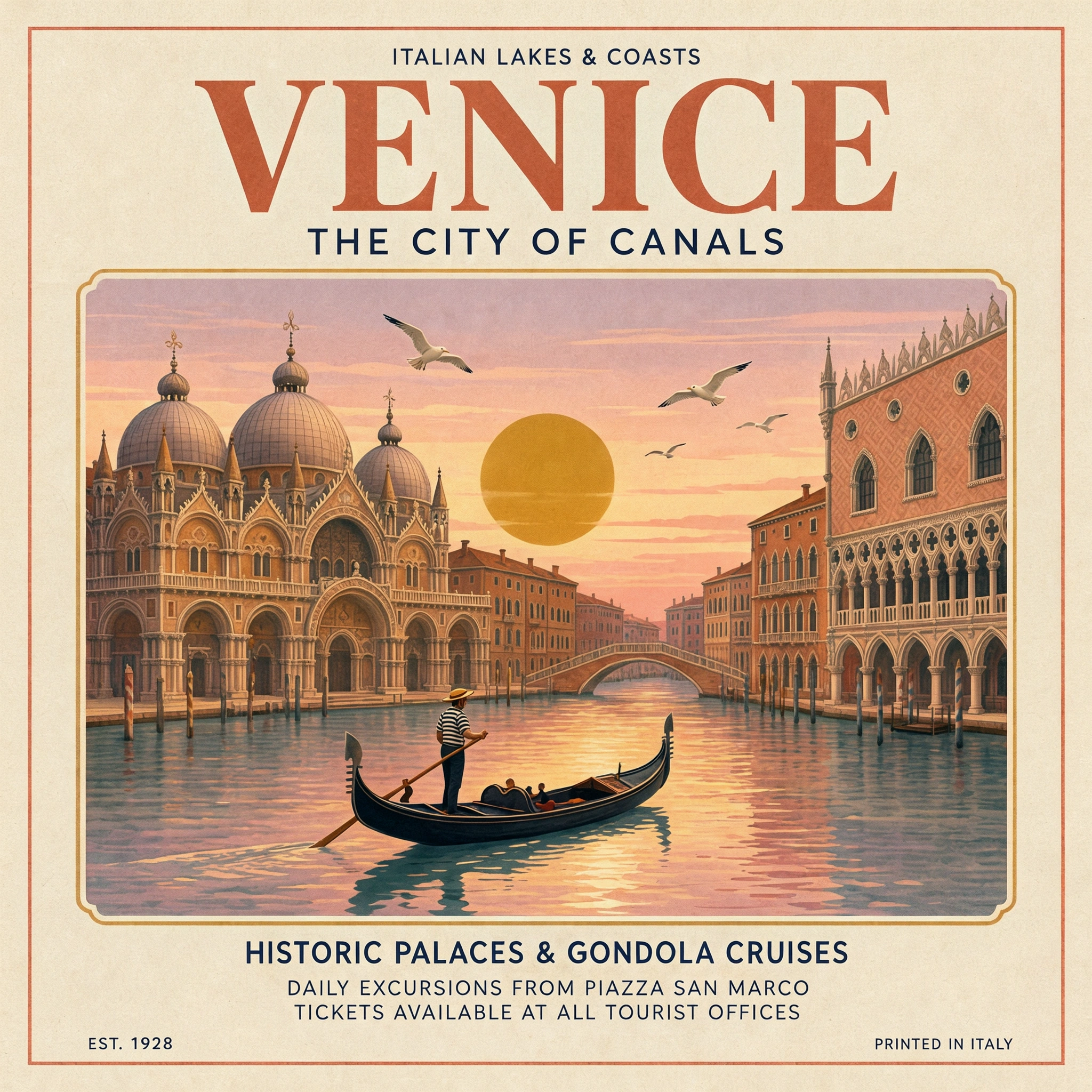
A retro travel poster with the bold headline "VENICE" in large condensed serif type, sunset color palette, clean layout
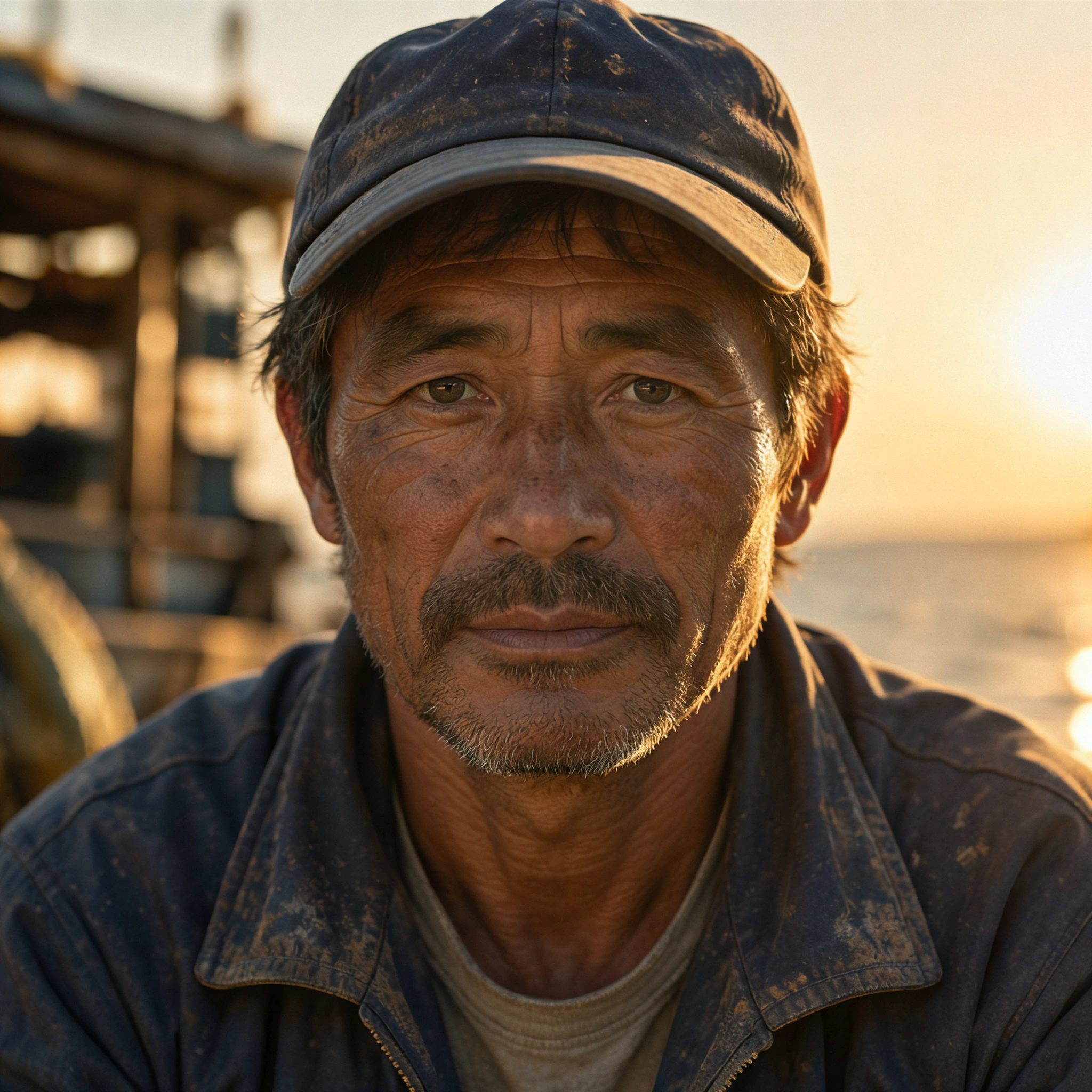
Photorealistic close-up portrait of a weathered fisherman at golden hour, 85mm lens, shallow depth of field, natural skin texture
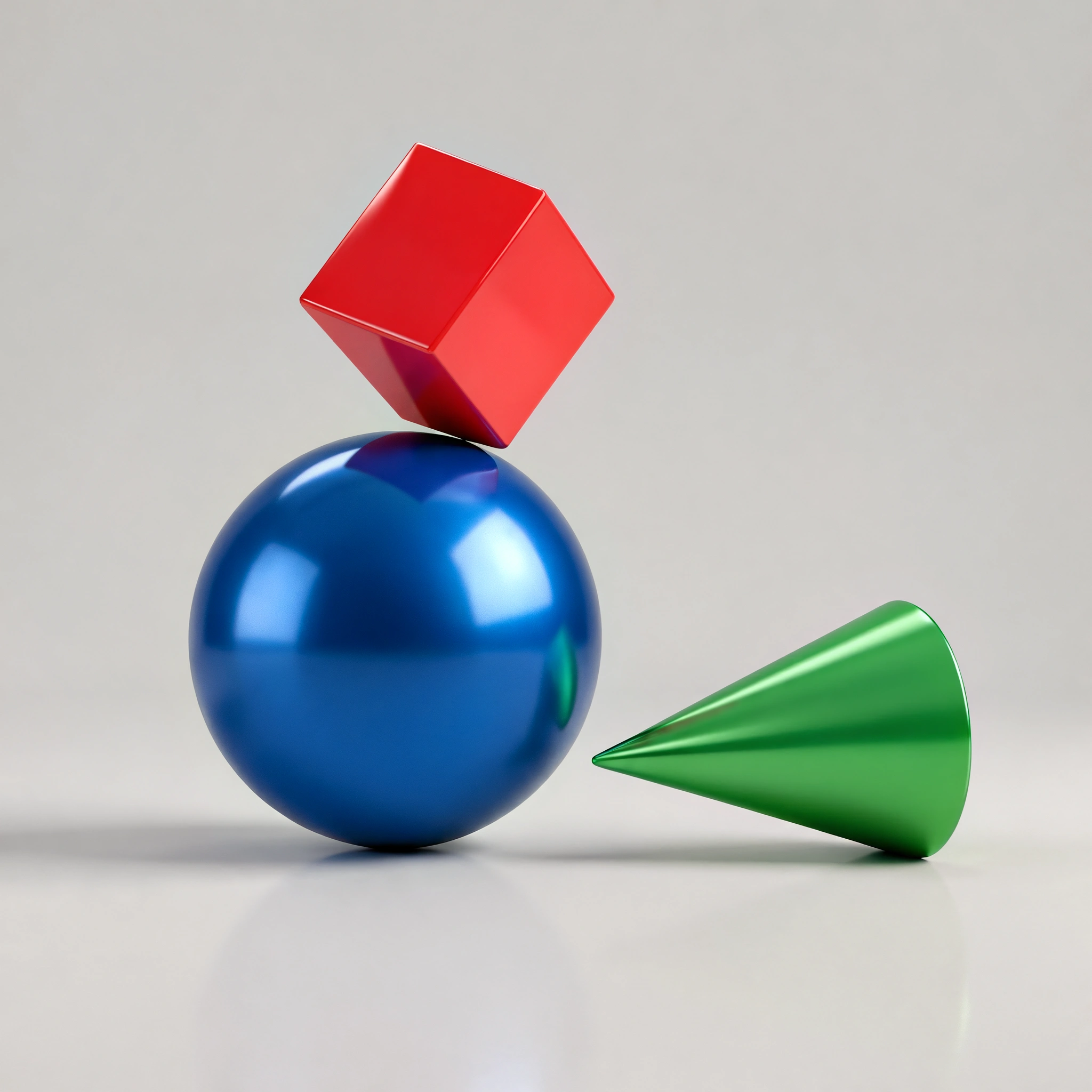
A small red cube balanced on top of a large glossy blue sphere, with a green cone to the right, plain light-grey studio background

Cozy watercolor illustration of a hillside village in autumn, warm tones, soft paper texture
Alternatives
How it compares
| Model | Best for | Max resolution | Open weights | Price (Venice) |
|---|---|---|---|---|
| Kling Image 4.0 | Photoreal series & in-image text | 4K | No | from $0.08 / image |
| Flux 3 | Photoreal & stylized detail | 4K | No | from $0.12 / image |
| GPT Image 2.5 Sunburst | Instruction-following & layout | 4K | No | from $0.07 / image |
| Krea 2 Turbo | Fast drafts on a budget | 2K | Yes | from $0.04 / image |
Reach for Kling Image 4.0 when one prompt has to yield a whole coherent set — product lines, storyboards, poster runs — with dense, correctly spelled text and photoreal finish. For open-weight experimentation or the cheapest per-image drafts, Krea 2 Turbo and Chroma undercut it sharply.
API
Call it from your code
Venice exposes this model through the REST API. Queue a generation with the model id.
curl https://api.venice.ai/api/v1/image/generate \
  -H "Authorization: Bearer $VENICE_API_KEY" \
  -H "Content-Type: application/json" \
  -d '{
    "model": "kling-v4-text-to-image",
    "prompt": "A serene mountain lake at dawn, photorealistic"
  }' --output image.png
Pricing
What it costs on Venice
Pay per image on Venice — price scales with resolution, from $0.08.
New Venice accounts include a free daily allowance and 500 welcome credits — no credit card required.
FAQ
Frequently asked questions
Kling Image 4.0 is Kuaishou's flagship text-to-image model, released November 17, 2026. It uses a unified understanding-and-generation architecture to produce photoreal images, render up to 2,000 characters of in-image text, generate series of up to 10 consistent images from one prompt, and work from as many as 10 reference images.
Venice bills per image: $0.08 at 2K resolution and $0.12 at 4K. There is no subscription requirement — you pay in credits for what you generate, and image sets are billed per output image.
Kling Image 4.0 is neither free-software nor open-source: it is proprietary to Kuaishou and ships with no open weights, so it cannot be self-hosted or fine-tuned. You can try it at no cost through Venice's free prompt allowance before paying per image.
On Venice, Kling Image 4.0 outputs 2K ($0.08 per image) and 4K ($0.12 per image) across eight aspect ratios from 1:1 to 21:9. Kling's own platform additionally advertises native 8K generation, but that tier is not exposed through the Venice endpoint.
Yes. A single prompt can produce an image set of 2 to 10 images — or let the model choose the count automatically — with cohesive style, characters, and products across frames, which is what makes it popular for product lines and storyboards.
Up to 10 combined image and subject references, each up to 30 MB. References are cited in the prompt via @id, letting you lock a face, a product, or a style across a generation or an entire series.
Both render at 4K on Venice, but they optimize for different jobs. Kling Image 4.0 leads on multi-image consistency, long in-image text, and reference-driven series; Flux 3 is a strong single-image rival for photoreal and stylized work at a slightly higher starting price. Choose Kling for sets and text-heavy layouts, Flux for one-off art direction.
Venice runs Kling Image 4.0 under its anonymized privacy tier: prompts are not stored, profiled, or used for training, and generations are not tied to a personal history. You can use it in the Venice app or through the Venice API without building a searchable record of what you made.
Use Kling Image 4.0 anonymously
Venice does not store your prompts. Chat history stays in your browser.