Luma Uni-1
Luma Uni-1 is a unified autoregressive model that reasons before generating pixels, enabling precise control, strong spatial logic, and culture-aware visuals.
Overview
What is Luma Uni-1
Luma Uni-1 is Luma AI's first unified understanding and generation model, released in March 2026. It combines reasoning and image generation in a single autoregressive architecture, processing text and image tokens interleaved to produce highly controllable, spatially coherent, and culturally aware visuals.
Using it anonymously on Venice
On Venice, Luma Uni-1 runs with anonymized privacy — your prompts are not stored, profiled, or used for training. This ensures your creative direction stays private while you leverage Uni-1’s advanced control and reasoning. You get full access to its create-and-modify workflow without building a personal history.
Assessment
Strengths and limitations
- Unified autoregressive architecture enables reasoning before generation, improving spatial coherence and prompt fidelity.
- Strong performance in reference-based generation and editing, supporting up to 9 reference images with defined roles.
- Culture-aware outputs across aesthetics, memes, and regional styles like manga.
- High control over visual consistency, character identity, and complex compositions.
- Top-ranked in human preference tests for style, editing, and reference fidelity.
- Not open source or open weights: cannot be self-hosted or fine-tuned.
- No native video generation yet, despite multimodal training.
- Structured prompting required: less intuitive for casual users compared to 'vibe-based' models.
- Higher cost per image than some competitors, especially at scale.
Samples
Sample outputs
Generated on Venice with our standard prompt suite — the same prompts we run through every model of this type, so you can judge it like-for-like.
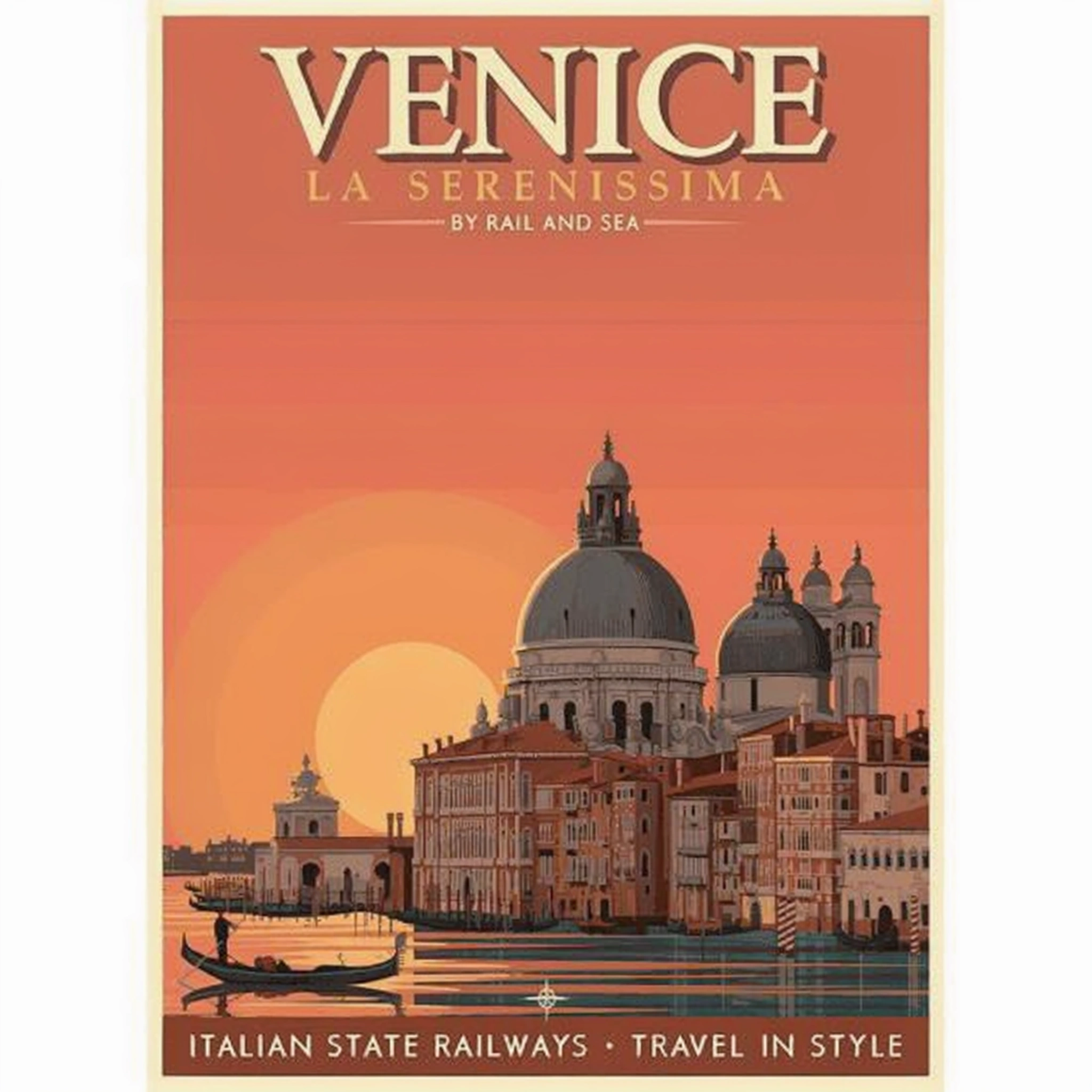
A retro travel poster with the bold headline "VENICE" in large condensed serif type, sunset color palette, clean layout

Photorealistic close-up portrait of a weathered fisherman at golden hour, 85mm lens, shallow depth of field, natural skin texture
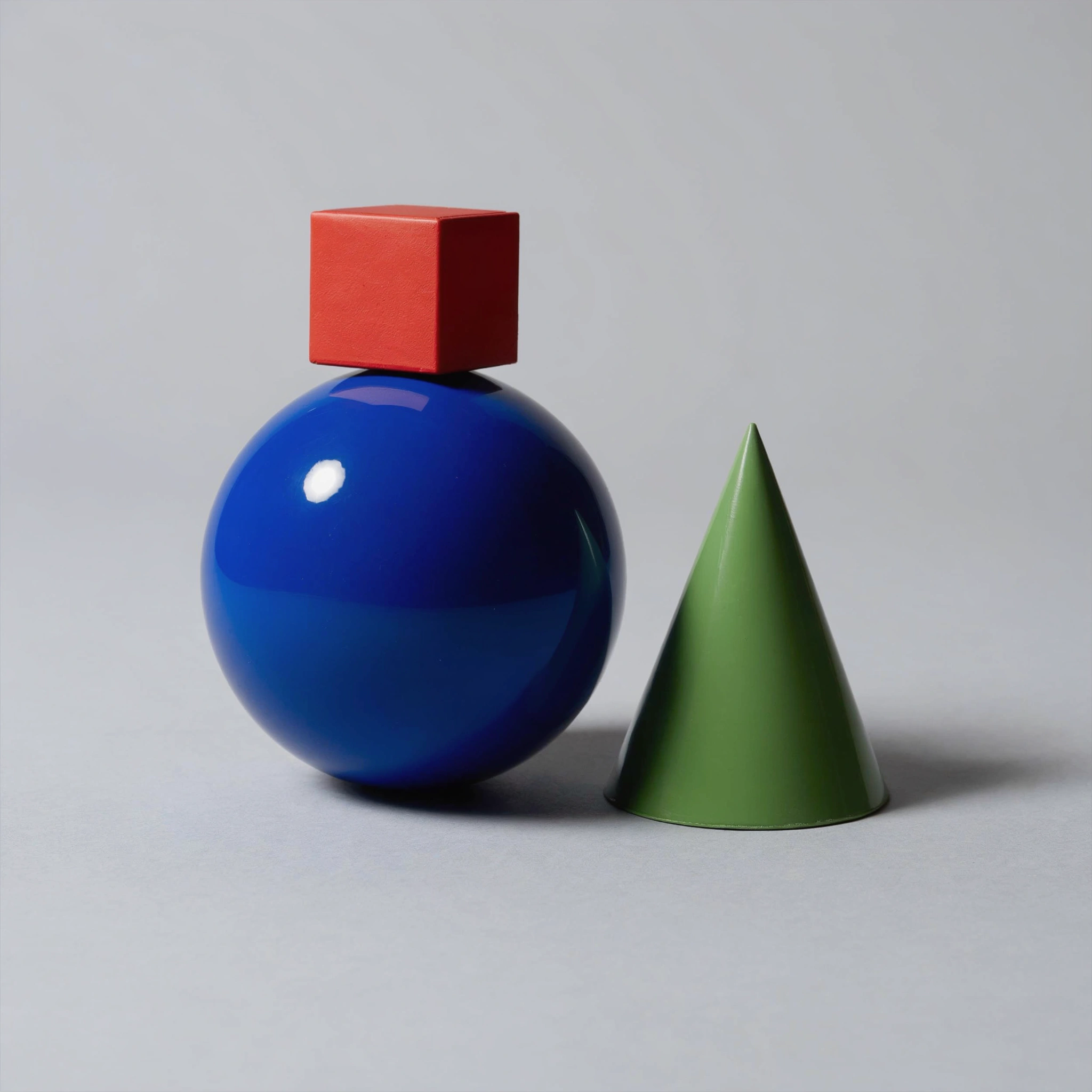
A small red cube balanced on top of a large glossy blue sphere, with a green cone to the right, plain light-grey studio background
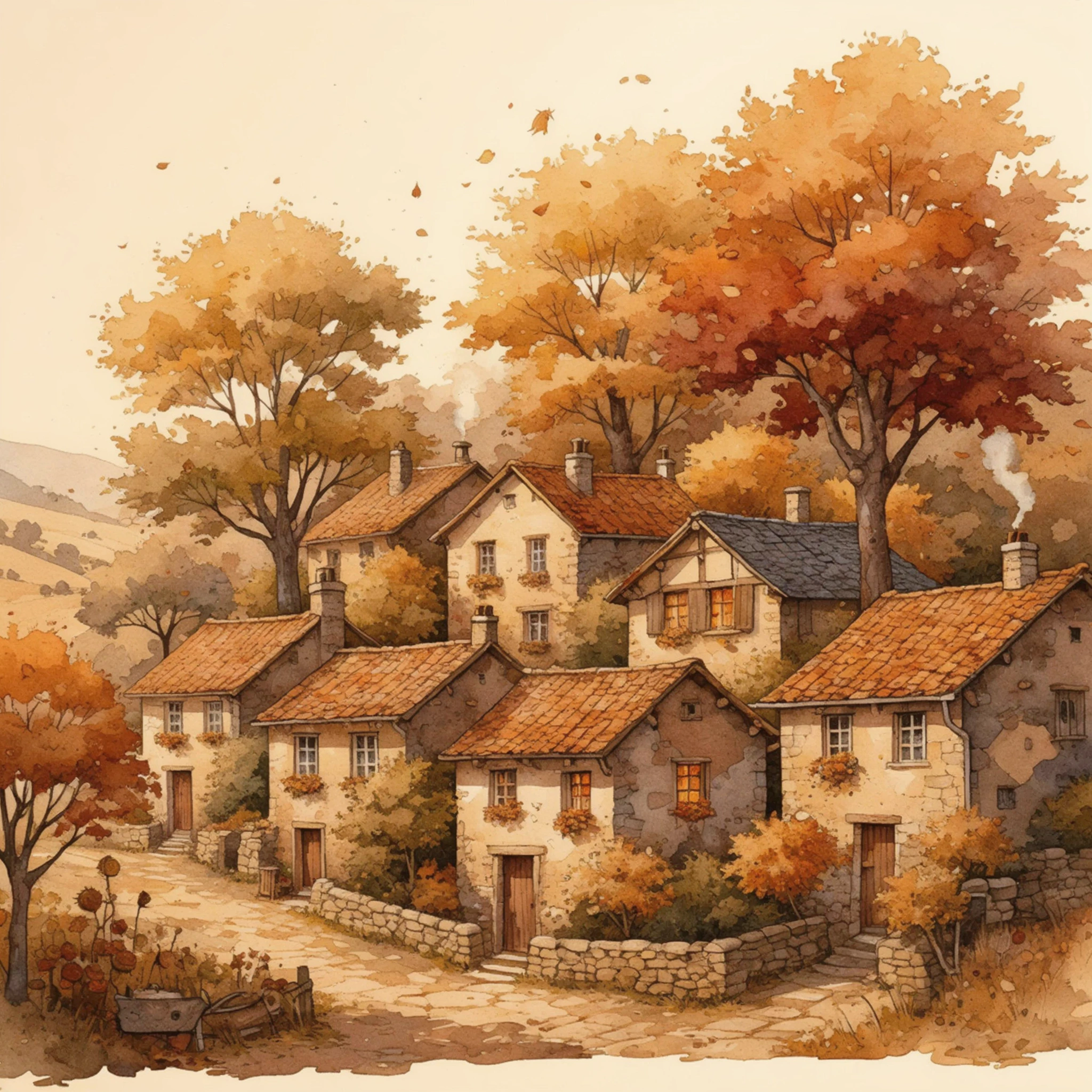
Cozy watercolor illustration of a hillside village in autumn, warm tones, soft paper texture
Capabilities
What it supports
- Text to image
- Image to image
Specifications
Datasheet
- Maker
- Luma AI
- Released
- March 2026
- Modality
- Text-to-image, image-to-image (modify mode)
- Architecture
- Decoder-only autoregressive transformer
- Open weights
- No — proprietary
- Aspect ratios
- 1:1, 3:2, 16:9, 9:16, 2:3
- Prompt limit
- 6,000 chars
- Privacy on Venice
- Anonymized — prompts not stored
- Available on Venice since
- Jun 2026
- License
- Proprietary
API
Call it from your code
Venice exposes this model through the REST API. Queue a generation with the model id.
curl https://api.venice.ai/api/v1/image/generate \
  -H "Authorization: Bearer $VENICE_API_KEY" \
  -H "Content-Type: application/json" \
  -d '{
    "model": "luma-uni-1",
    "prompt": "A serene mountain lake at dawn, photorealistic"
  }' --output image.png
Pricing
What it costs on Venice
Flat per-image pricing on Venice: $0.05 per generation.
New Venice accounts include a free daily allowance and 500 welcome credits — no credit card required.
Alternatives
How it compares
| Model | Max resolution | Strongest at | Open weights | Price (Venice) |
|---|---|---|---|---|
| Luma Uni-1 | 2048px | Reasoning & reference fidelity | No | $0.05 / image |
| Chroma | — | Speed & simplicity | Yes | $0.01 / image |
| Grok Imagine High Quality (SOTA) | — | Photoreal detail | No | from $0.06 / image |
| Luma Uni-1 Max | — | Higher fidelity & speed | No | $0.12 / image |
Top performer in human preference for editing and reference use, with strong spatial reasoning.
Use cases
What it is good for
- 01Professional design workflows requiring pixel-perfect control and iterative refinement.
- 02Marketing assets that blend cultural references and on-brand aesthetics.
- 03Character-consistent visual development for animation or games using multi-reference inputs.
- 04Architectural and product visualization with precise spatial logic.
- 05AI agents that plan and generate across modalities using Uni-1 as a vision module.
Prompting
Getting better results
Use clear, structured prompts — Uni-1 reasons step-by-step, so logical flow improves results.
Leverage 'modify' mode with reference images to guide edits precisely.
Specify aspect ratio explicitly to match your use case (e.g., 16:9 for banners).
Use seeds for reproducibility when iterating on a concept.
Version history
Initial release — unified reasoning and generation
Enhanced version with higher fidelity and speed
FAQ
Frequently asked questions
Luma Uni-1 is Luma AI's first unified model that combines reasoning and image generation in a single autoregressive architecture. Released in March 2026, it enables precise control over visuals through structured prompting, reference guidance, and spatial logic.
On Venice, Luma Uni-1 costs $0.05 per image generation. Upscaling is additional: $0.02 for 2× and $0.08 for 4×. Pricing is flat and per-image, with no subscription required.
No. Luma Uni-1 is a proprietary model developed by Luma AI. It is not open source or open weights, so it cannot be self-hosted or fine-tuned by users.
Luma Uni-1 is designed to function as a vision module within agent systems, including Luma's own Luma Agents platform, where it can be orchestrated with other models for planning and generation tasks.
Yes. Luma Uni-1 features a dedicated 'modify' mode that allows surgical editing of existing images using reference inputs, seeds, and structured prompts for high precision.
Luma Uni-1 supports five aspect ratios: 1:1, 3:2, 16:9, 9:16, and 2:3 — suitable for social media, banners, and mobile content.
Luma Uni-1 excels in reference fidelity, spatial reasoning, and editing control, while GPT Image 2 leads in in-image text accuracy and 4K resolution. Choose Uni-1 for creative depth and GPT Image 2 for text-heavy visuals.
Use Luma Uni-1 anonymously
Venice does not store your prompts. Chat history stays in your browser.