Luma Uni-1 Max
Luma's highest-quality image model — unified autoregressive architecture with reasoning-driven generation, strong reference fidelity, and 2K output.
Overview
What is Luma Uni-1 Max
Luma Uni-1 Max is Luma AI's flagship text-to-image and image-editing model, released in March 2026 as a higher-quality variant of Uni-1. It uses a unified autoregressive transformer that reasons over prompts before generating, delivering superior spatial coherence, reference fidelity, and cultural awareness in 2K-resolution images.
Using it anonymously on Venice
On Venice, Luma Uni-1 Max runs with anonymized privacy — your prompts are never stored, profiled, or used for training. This means you can generate and edit images with full control over your data, while benefiting from Luma's advanced reasoning-driven architecture. The model is uncensored and accessible on-demand without a subscription.
Assessment
Strengths and limitations
- Higher-quality output than base Uni-1, with improved detail and coherence.
- Strong spatial reasoning and layout planning before generation, leading to better prompt fidelity.
- Supports up to 9 reference images for style and content guidance.
- Web search grounding enhances realism and contextual accuracy.
- Culture-aware outputs: handles regional aesthetics, memes, and stylized art with nuance.
- Closed model: not open-source or self-hostable, limiting customization.
- No native video generation (separate Ray 3.2 model required).
- Higher cost per image compared to lighter models like Chroma or Lustify.
Samples
Sample outputs
Generated on Venice with our standard prompt suite — the same prompts we run through every model of this type, so you can judge it like-for-like.
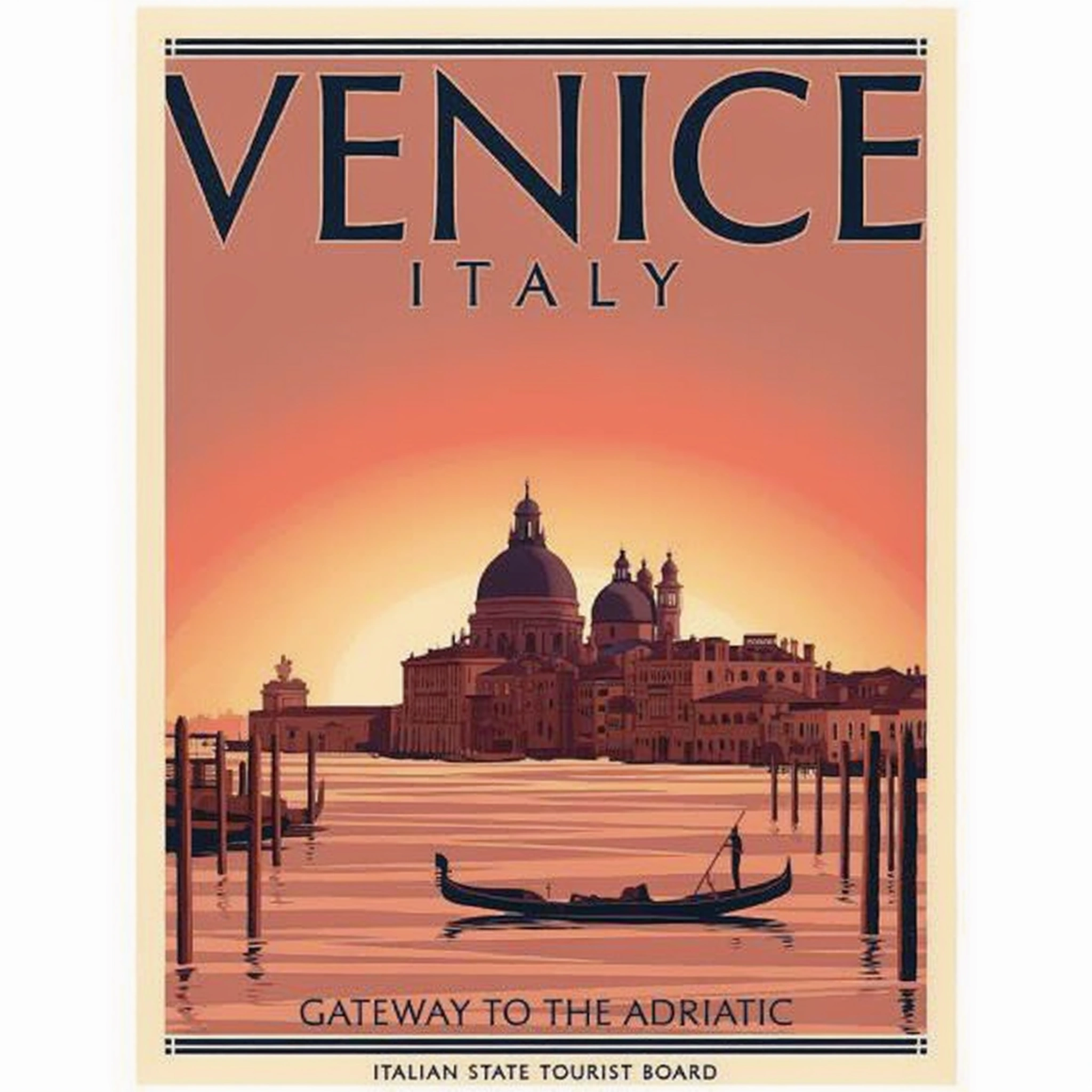
A retro travel poster with the bold headline "VENICE" in large condensed serif type, sunset color palette, clean layout

Photorealistic close-up portrait of a weathered fisherman at golden hour, 85mm lens, shallow depth of field, natural skin texture
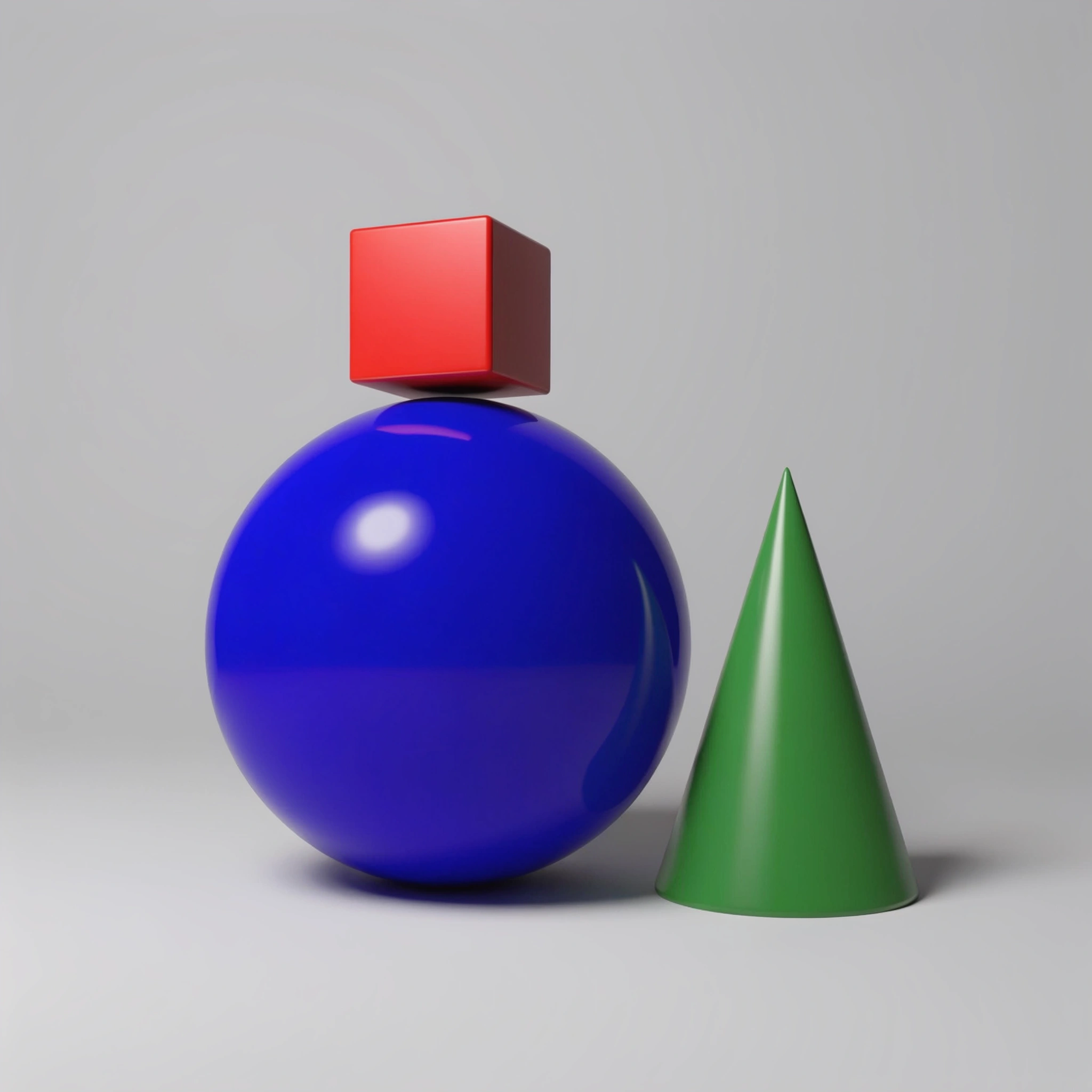
A small red cube balanced on top of a large glossy blue sphere, with a green cone to the right, plain light-grey studio background

Cozy watercolor illustration of a hillside village in autumn, warm tones, soft paper texture
Capabilities
What it supports
- Text to image
- Image to image
Specifications
Datasheet
- Maker
- Luma AI
- Released
- March 22, 2026
- Modality
- Text-to-image, image-to-image editing
- Max resolution
- 2K (2048px)
- Open weights
- No — proprietary
- Aspect ratios
- 1:1, 3:2, 16:9, 9:16, 2:3
- Prompt limit
- 6,000 chars
- Privacy on Venice
- Anonymized — prompts not stored
- Available on Venice since
- Jun 2026
- License
- Proprietary
API
Call it from your code
Venice exposes this model through the REST API. Queue a generation with the model id.
curl https://api.venice.ai/api/v1/image/generate \
  -H "Authorization: Bearer $VENICE_API_KEY" \
  -H "Content-Type: application/json" \
  -d '{
    "model": "luma-uni-1-max",
    "prompt": "A serene mountain lake at dawn, photorealistic"
  }' --output image.png
Pricing
What it costs on Venice
Flat per-image pricing on Venice: $0.12 per generation.
New Venice accounts include a free daily allowance and 500 welcome credits — no credit card required.
Alternatives
How it compares
| Model | Max resolution | Strongest at | Open weights | Price (Venice) |
|---|---|---|---|---|
| Luma Uni-1 Max | 2K | Reasoning & reference fidelity | No | $0.12 / image |
| Grok Imagine High Quality (SOTA) | 2K | Speed & integration with X ecosystem | No | from $0.06 / image |
| Flux 2 Max | 4MP | Photoreal detail | No | $0.09 / image |
| Nano Banana 2 | 4K | Speed & web-grounded refs | No | from $0.10 / image |
Luma's highest-quality image model with structured internal reasoning.
Use cases
What it is good for
- 01Creative agencies needing high-fidelity, editable image output.
- 02Designers requiring precise control over composition and style.
- 03Developers building image-generation workflows via API.
- 04Artists exploring multimodal reasoning and reference-based generation.
- 05Marketing teams producing culturally relevant, on-brand visuals.
Prompting
Getting better results
Use clear spatial cues like 'left', 'center', 'above' to guide layout.
Leverage reference images (up to 9) to lock in style or content elements.
Include specific cultural or artistic references (e.g., 'shōjo manga style') for better alignment.
Use web search grounding to pull in real-world visual data for accuracy.
Version history
Base model with same architecture.
Current — higher-quality variant.
FAQ
Frequently asked questions
Luma Uni-1 Max is Luma AI's highest-quality text-to-image and image-editing model, released in March 2026. It produces 2K-resolution images with superior reasoning, spatial coherence, and reference fidelity compared to the base Uni-1 model.
On Venice, Luma Uni-1 Max costs $0.12 per image generated, with additional fees for upscaling — $0.02 for 2× and $0.08 for 4×. There is no subscription; you pay only for what you generate.
Luma Uni-1 Max is not free, but Venice offers limited free trials for new users. After that, usage is billed per image at $0.12 per generation, with no hidden fees or subscriptions.
No. Luma Uni-1 Max is a closed, proprietary model developed by Luma AI. It is not open-source or self-hostable, though it is available via API on platforms like Venice.
Yes. Luma Uni-1 Max supports image-to-image editing via the 'image_edit' mode, allowing you to modify existing images with precise control using text prompts and reference images.
Luma Uni-1 Max excels in reasoning, spatial coherence, and reference fidelity, making it ideal for complex creative workflows. Nano Banana 2 wins on speed and scalability, especially for commercial content. Choose Uni-1 Max for depth, Nano Banana 2 for volume.
Luma Uni-1 Max outputs images at 2K resolution (2048px) across multiple aspect ratios including 1:1, 3:2, 16:9, 9:16, and 2:3. Upscaling is available via separate operations.
Yes. Luma Uni-1 Max supports up to 9 reference images via the 'image_ref' parameter, allowing you to guide style, composition, or content with high fidelity.
Yes. Luma Uni-1 Max includes web search grounding, which allows the model to pull in real-world visual data during generation to improve accuracy and contextual relevance.
Use Luma Uni-1 Max anonymously
Venice does not store your prompts. Chat history stays in your browser.