Nano Banana 2.1
Google's newest Gemini-based image model — 4K output, up to 14 reference images, multi-turn character consistency, and strong in-image text at Flash speed.
curl https://api.venice.ai/api/v1/image/generate \
  -H "Authorization: Bearer $VENICE_API_KEY" \
  -H "Content-Type: application/json" \
  -d '{
    "model": "nano-banana-2-1",
    "prompt": "A serene mountain lake at dawn, photorealistic"
}' --output image.pngOverview
What is Nano Banana 2.1
Nano Banana 2.1 is Google's latest image generation and editing model, released in October 2026 as an update to Nano Banana 2. Built on Gemini 3.6 Flash, it generates images up to 4K, fuses up to 14 reference images, keeps characters consistent across multi-turn edits, and renders legible in-image text.
Using it anonymously on Venice
On Venice, Nano Banana 2.1 runs under the anonymized privacy tier — your prompts are not stored, profiled, or used for training, and generations are tied to no personal history. You pay per image in credits instead of a Google subscription, and you can use it in the app or through the OpenAI-compatible Venice API. Note that this tier is anonymized rather than end-to-end encrypted, so it is private from Venice's storage practices, not a TEE-isolated deployment.
Specifications
Datasheet
- Maker
- Google (Gemini image family)
- Modality
- Text-to-image, image-to-image, multi-turn conversational editing
- Open weights
- No — proprietary to Google
- License
- Proprietary
- Resolutions
- 1K, 2K, 4K
- Modes
- Configurable thinking levels: minimal / medium (default) / high
- Prompt limit
- 32,768 chars
- Input images
- Accepts image references — Google's API docs list text, image, video, and PDF inputs; multi-image fusion supports up to 14 reference images (4 characters, 10 objects)
- Released
- October 6, 2026
- Architecture
- Natively multimodal model based on Gemini 3.6 Flash
- Aspect ratios
- 1:1, 3:2, 16:9, 21:9, 9:16, 2:3, 3:4, 4:5
- Privacy on Venice
- Anonymized — prompts not stored
- Available on Venice since
- Oct 2026
Assessment
Strengths and limitations
- Multi-image fusion with up to 14 reference images — character consistency for up to 4 characters and object fidelity for up to 10 objects in one generation.
- Strong multi-turn conversational editing: refine the same image across several turns while keeping subjects consistent.
- Enhanced text rendering and infographic layout accuracy, Google's stated focus for this release.
- Native 4K output with per-resolution pricing, so 1K drafts stay cheap and 4K renders are opt-in.
- Flash-class speed: it inherits the efficiency-focused Gemini 3.6 Flash backbone rather than the Pro tier.
- Configurable thinking levels (minimal/medium/high) let you trade latency for composition quality on complex prompts.
- Closed and proprietary: no open weights, so it cannot be self-hosted or fine-tuned.
- Grounding with Google Web and Image Search is a Google-API feature and is not exposed through Venice, so real-time reference lookup is unavailable here.
- Google has published no benchmarks for 2.1: the 'outperforms previous models across the board' claim is unverified marketing language, so test against your own prompts.
- It is a safety-filtered Google model, not an uncensored one — expect content refusals you would not hit on Venice's open-weight image models.
- No 0.5K (512px) output tier, which its predecessor Nano Banana 2 supported.
Use cases
What it is good for
- 01Brand campaigns and ad creative where on-image headlines must be spelled correctly.
- 02Character-driven visual stories that need the same subject consistent across many edited turns.
- 03Infographics and diagrams composed directly from a written brief.
- 04Product mockups combining reference photos — up to 14 inputs fused into one coherent scene.
- 05High-resolution 4K finals rendered from cheap 1K iterations.
Prompting
Getting better results
Fuse references deliberately: put your most important character or product first — the model holds up to 4 characters and 10 objects, but crowding degrades fidelity.
Put exact on-image text in quotes and name its placement; 2.1's headline improvement is text rendering and infographic layout.
Iterate at 1K ($0.10), then re-render the winning prompt at 4K ($0.19) rather than drafting at high resolution.
Use wide aspect ratios like 21:9 for panoramas — 2.1 specifically fixes the tiling artifacts its predecessor showed on wide outputs.
For multi-turn edits, change one variable per turn; the model's character-consistency training rewards incremental instruction.
If a complex composition comes out muddled, re-run it — the thinking-level setting trades speed for planning depth on intricate scenes.
Samples
Sample outputs
Generated on Venice with our standard prompt suite — the same prompts we run through every model of this type, so you can judge it like-for-like.
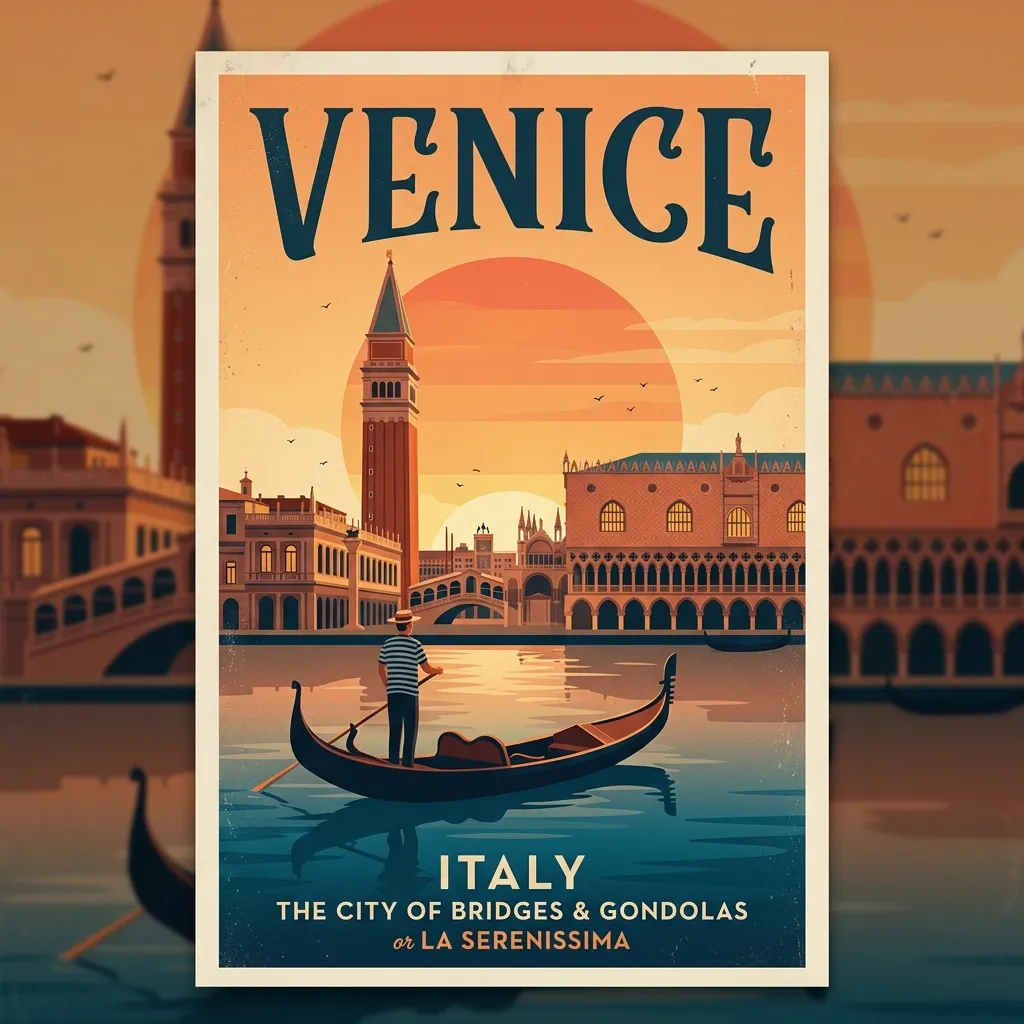
A retro travel poster with the bold headline "VENICE" in large condensed serif type, sunset color palette, clean layout
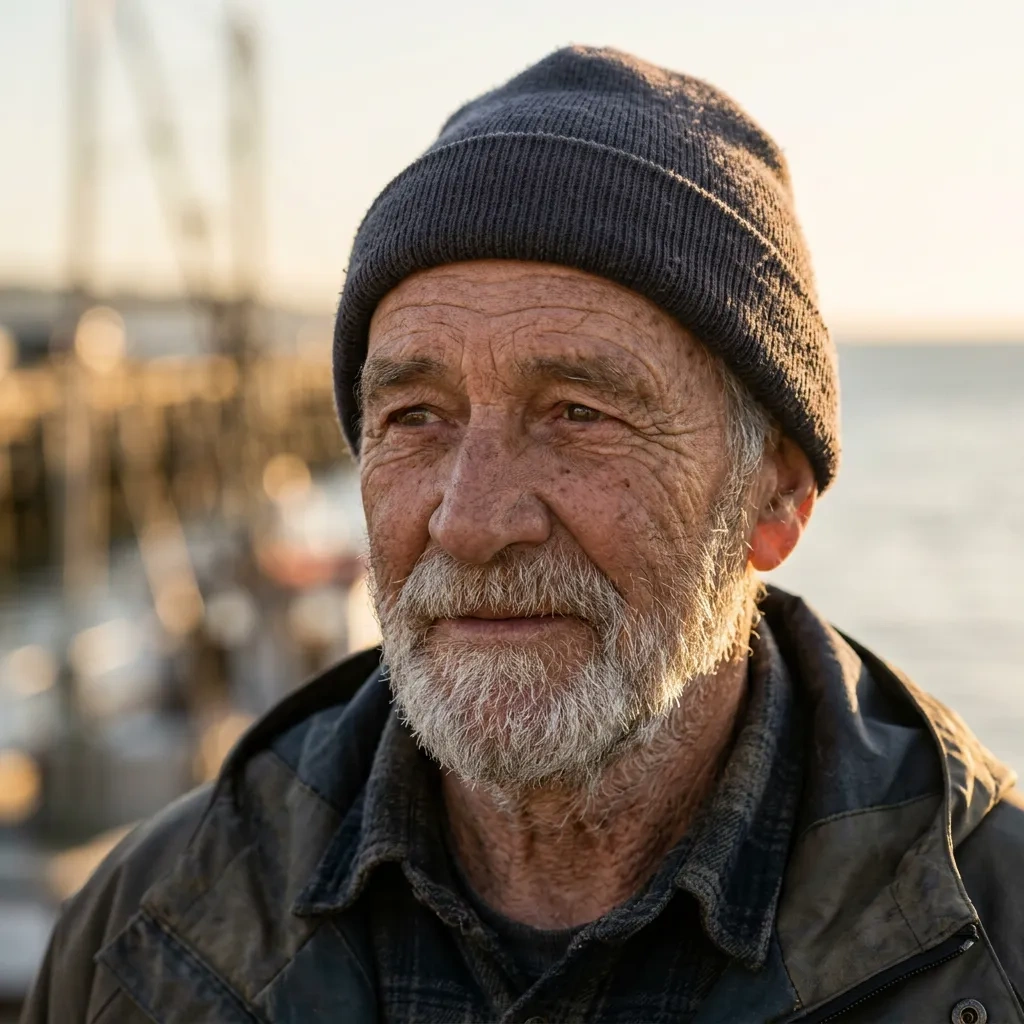
Photorealistic close-up portrait of a weathered fisherman at golden hour, 85mm lens, shallow depth of field, natural skin texture
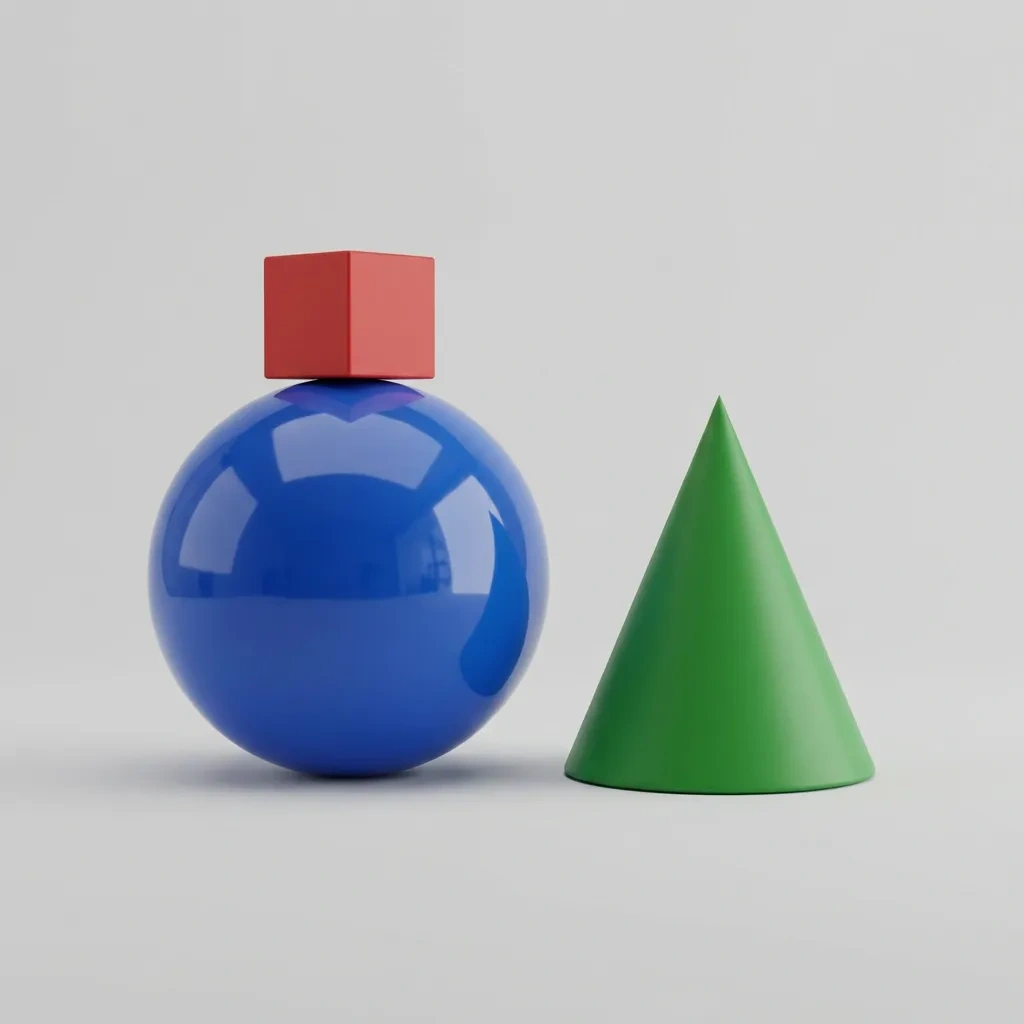
A small red cube balanced on top of a large glossy blue sphere, with a green cone to the right, plain light-grey studio background
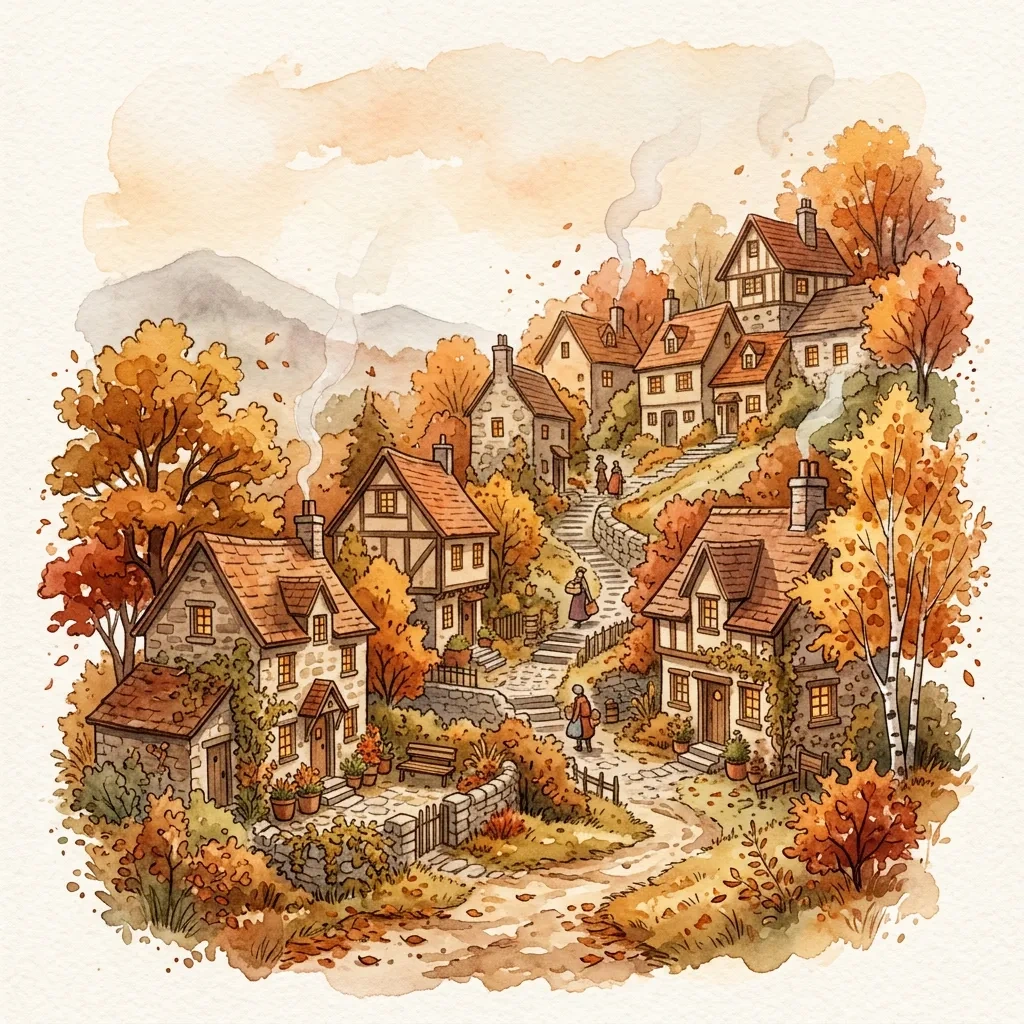
Cozy watercolor illustration of a hillside village in autumn, warm tones, soft paper texture
Alternatives
How it compares
| Model | Best for | Max resolution | Open weights | Price (Venice) |
|---|---|---|---|---|
| Nano Banana 2.1 | Multi-image fusion & character consistency | 4K | No | from $0.10 / image |
| Flux 3 | Photoreal quality | 4K | No | from $0.06 / image |
| GPT Image 2.5 Flare | Instruction following | 4K | No | from $0.07 / image |
| Chroma | Cheap volume generation | — | Yes | $0.01 / image |
Nano Banana 2.1 is the right pick when a job leans on reference images — fusing many inputs, holding characters steady across edits, and rendering clean text at up to 4K. For pure photorealism at a lower price, Flux 3 is the stronger draw.
API
Call it from your code
Venice exposes this model through the REST API. Queue a generation with the model id.
curl https://api.venice.ai/api/v1/image/generate \
  -H "Authorization: Bearer $VENICE_API_KEY" \
  -H "Content-Type: application/json" \
  -d '{
    "model": "nano-banana-2-1",
    "prompt": "A serene mountain lake at dawn, photorealistic"
  }' --output image.png
Pricing
What it costs on Venice
Pay per image on Venice — price scales with resolution, from $0.10.
New Venice accounts include a free daily allowance and 500 welcome credits — no credit card required.
FAQ
Frequently asked questions
Nano Banana 2.1 is Google's latest image generation and editing model, released on October 6, 2026. It is built on Gemini 3.6 Flash, generates images at 1K, 2K, and 4K resolutions, supports multi-image fusion with up to 14 reference images, and keeps characters consistent across multi-turn edits.
Venice prices it per image and the price scales with resolution: $0.10 for 1K, $0.14 for 2K, and $0.19 for 4K. There is no subscription requirement — you pay in credits only for what you generate.
It is neither free-software nor open-source: the weights are proprietary to Google and cannot be self-hosted or fine-tuned. On Venice, new accounts include free daily image prompts and welcome credits, so you can try the model before paying per image.
Venice runs it under the anonymized privacy tier: prompts are not stored, profiled, or used for training, and generations are not tied to a personal history. You can use it in the Venice app or via the Venice API. Note this tier is anonymized, not end-to-end encrypted or TEE-isolated.
Choose Nano Banana 2.1 when the job needs reference images, multi-turn editing, character consistency, or accurate in-image text. Choose Flux 3 when strict photorealism matters most — Google itself routes high-end photorealism away from the Nano Banana family — and Flux 3 starts at a lower per-image price on Venice.
On Venice it outputs 1K, 2K, and 4K across eight aspect ratios: 1:1, 3:2, 16:9, 21:9, 9:16, 2:3, 3:4, and 4:5. This release specifically fixes the tiling artifacts the previous version showed on wide and panoramic outputs at higher resolutions.
Yes — multi-turn conversational editing is its core strength. You can refine a generated or uploaded image across several turns, and it maintains character consistency for up to 4 characters and object fidelity for up to 10 objects while fusing up to 14 reference images.
On Google's own API, yes — the model can ground generations with Google Web and Image Search. That feature is not exposed on Venice, so generations here rely on the model's internal knowledge rather than real-time web references.
No. It is a safety-filtered Google model, so it refuses some content that open-weight models on Venice will generate. If uncensored output matters for your workflow, Venice's open-weight image models are the better fit.
Use Nano Banana 2.1 anonymously
Venice does not store your prompts. Chat history stays in your browser.