Qwen Image 2.1 Turbo
Qwen's 8-step accelerated image model — 7B DiT, unified generation and editing, RGBA transparency, at $0.02 an image on Venice.
curl https://api.venice.ai/api/v1/image/generate \
  -H "Authorization: Bearer $VENICE_API_KEY" \
  -H "Content-Type: application/json" \
  -d '{
    "model": "qwen-image-2-1-turbo",
    "prompt": "A serene mountain lake at dawn, photorealistic"
}' --output image.pngOverview
What is Qwen Image 2.1 Turbo
Qwen Image 2.1 Turbo is Alibaba's accelerated checkpoint of Qwen-Image-2.1, released October 9, 2026. It uses the same 7B visual generation architecture (32 Single-Stream DiT layers) but renders in 8 denoising steps instead of 40, handling both text-to-image generation and natural-language image editing, including transparent RGBA output.
Using it anonymously on Venice
On Venice, Qwen Image 2.1 Turbo runs under the anonymized privacy tier — your prompts are not stored, profiled, or fed into a training pipeline, and there is no generation history tied to your identity. You pay per image in credits rather than renting a subscription, so a $0.02 render stays a $0.02 render. Big-Tech image APIs log the prompt; Venice has zero retention of it.
Specifications
Datasheet
- Maker
- Alibaba Qwen team (Hangzhou Tongyi Laboratory)
- Modality
- Text-to-image, image-to-image editing (text + image input)
- Open weights
- No
- License
- Qwen Research License (non-commercial)
- Resolutions
- 1K, 2K
- Modes
- No quality tiers — a single fixed 8-step trajectory; CFG defaults to 1
- Prompt limit
- 10,000 chars
- Input images
- Up to 10 reference images for editing; local edits via circles, painted annotations, or separate masks
- Released
- October 9, 2026 (base Qwen-Image-2.1: September 20, 2026)
- Architecture
- 7B-parameter visual generation component, 32 Single-Stream DiT layers, mixed-granularity attention with prefix KV cache reuse
- Sampling
- Fixed 8-step denoising schedule baked into the weights (base model uses 40 steps)
- Aspect ratios
- 1:1, 3:2, 16:9, 21:9, 9:16, 2:3, 3:4, 4:5
- Privacy on Venice
- Anonymized — prompts not stored
- Available on Venice since
- Oct 2026
Assessment
Strengths and limitations
- Speed is the headline: the 8-step schedule lives in the weights themselves, so a finished image arrives in a fraction of the base model's 40-step trajectory — no quality-mode fiddling required.
- Unified generation and editing in one checkpoint: text-to-image, natural-language editing, subject extraction, and transparent (RGBA) layer generation.
- Genuinely versatile editing controls: up to 10 reference images, local edits scoped by circles, painted annotations, or masks, and identity preservation for people and products.
- Strong typography, portrait lighting, and fine texture detail relative to its size; the 7B architecture is built for efficiency without a big quality trade-off.
- Open weights under the Qwen Research License: the same family Qwen self-hosts, runnable outside any closed API.
- The 8-step schedule is fixed: you cannot trade more denoising steps for extra fidelity at call time, which power users of the base model may miss.
- Capped at 2K on Venice; rivals like Flux 3 and GPT Image 2.5 reach 4K.
- The Qwen Research License is not a general commercial licence, so self-hosting for commercial products is off the table.
- Venice's capability metadata does not flag it as uncensored, so expect standard safety filtering on sensitive prompts.
Use cases
What it is good for
- 01High-volume draft generation where $0.02 per image and 8-step speed matter more than 4K ceiling.
- 02Product photography edits that need identity preservation across multiple reference images.
- 03Asset creation requiring transparent backgrounds — logos, stickers, cut-out compositional layers.
- 04Targeted local edits: circle a region, describe the change, keep everything else intact.
- 05Self-hosted research pipelines using the open Qwen-Image-2.1 weights with the same pipeline class.
Prompting
Getting better results
Pick the aspect ratio deliberately — 21:9 for cinematic banners, 9:16 for social stories — rather than letting a square default crop your composition.
Wrap any text you want rendered in quotes ("SALE 50% OFF") — the model's typography is a stated strength but it needs the exact string.
Iterate at 1K, then re-run the winning prompt at 2K; both cost $0.02 on Venice, so the only cost is seconds.
For edits, upload up to 10 reference images and specify the region with a circle, painted annotation, or mask instead of hoping the model guesses the area.
Ask explicitly for a transparent background when you need RGBA output — subject extraction and transparent layers are native, not a post-processing hack.
Don't try to set step counts or CFG — Turbo's 8-step schedule and default CFG of 1 are baked in; spend your effort on prompt wording instead.
Samples
Sample outputs
Generated on Venice with our standard prompt suite — the same prompts we run through every model of this type, so you can judge it like-for-like.
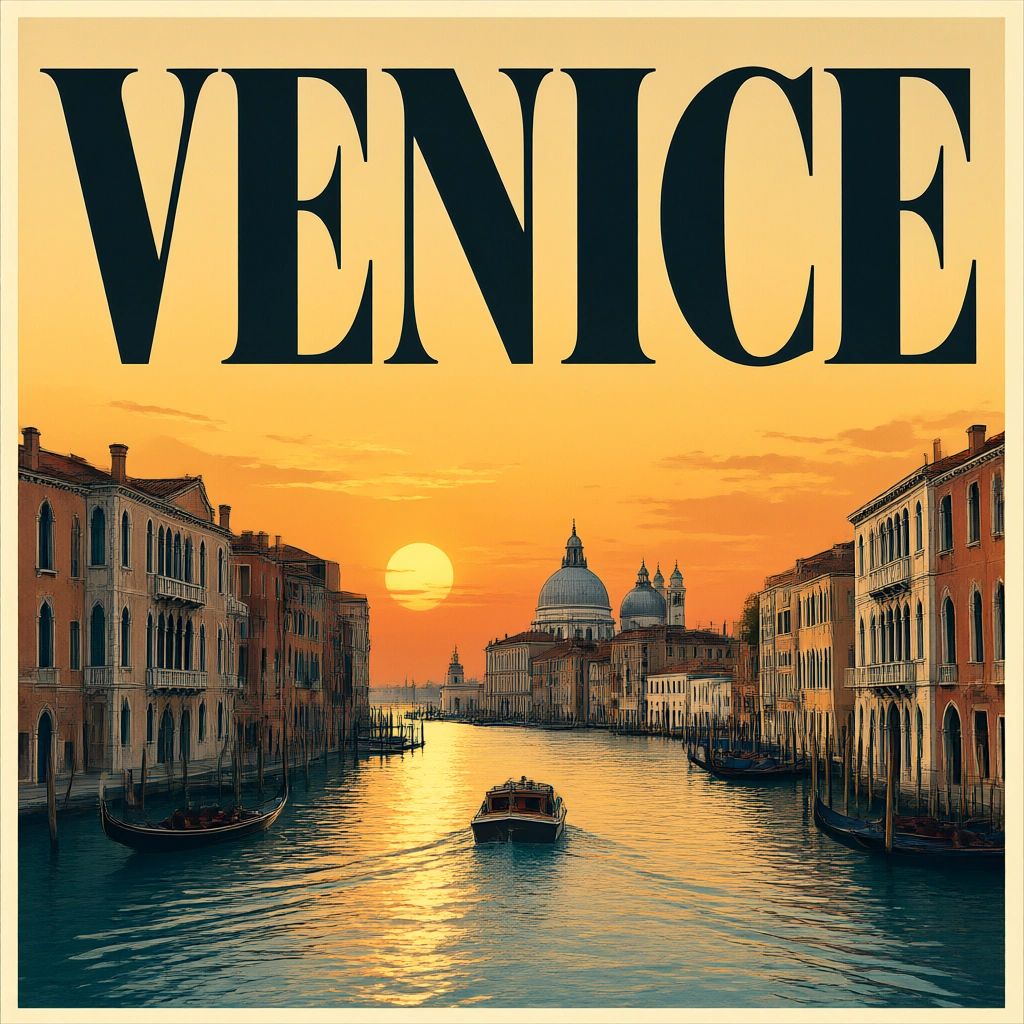
A retro travel poster with the bold headline "VENICE" in large condensed serif type, sunset color palette, clean layout
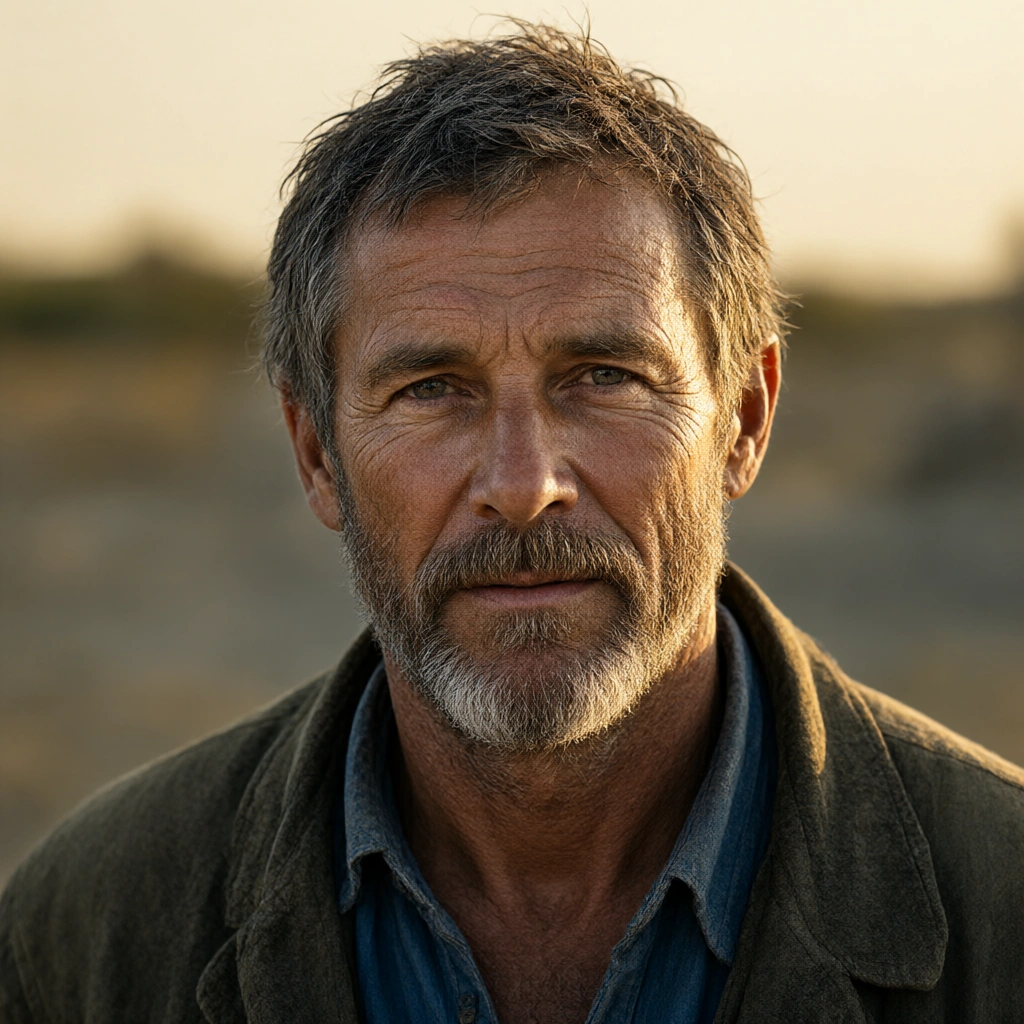
Photorealistic close-up portrait of a weathered fisherman at golden hour, 85mm lens, shallow depth of field, natural skin texture
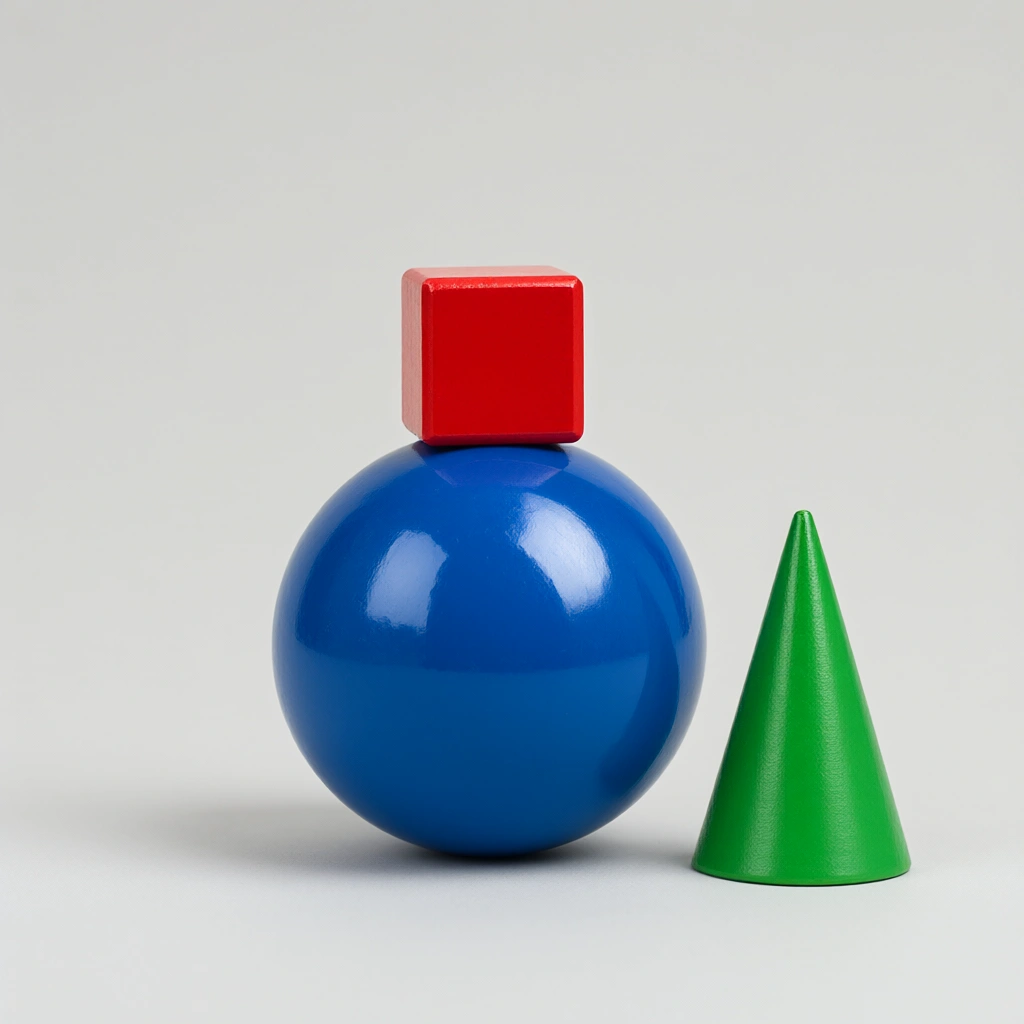
A small red cube balanced on top of a large glossy blue sphere, with a green cone to the right, plain light-grey studio background
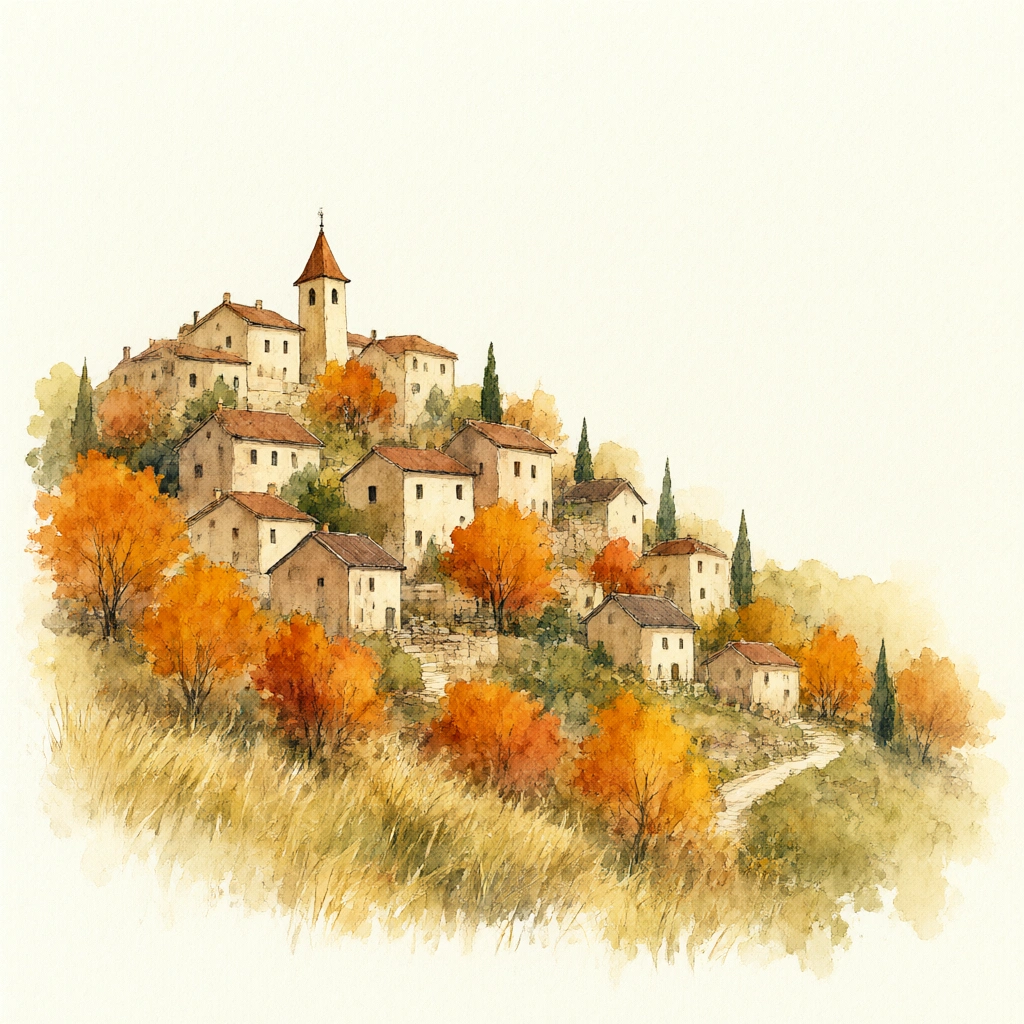
Cozy watercolor illustration of a hillside village in autumn, warm tones, soft paper texture
Alternatives
How it compares
| Model | Best for | Max resolution | Open weights | Price (Venice) |
|---|---|---|---|---|
| Qwen Image 2.1 Turbo | Fast, cheap generation & editing | 2K | No | from $0.02 / image |
| Chroma | Cheapest open-weights option | — | Yes | $0.01 / image |
| Flux 3 | Maximum fidelity | 4K | No | from $0.12 / image |
| GPT Image 2.5 Flare | Instruction-following | 4K | No | from $0.07 / image |
| Grok Imagine 2.0 | Stylized speed | 2K | No | from $0.07 / image |
Qwen Image 2.1 Turbo is the right pick when you're rendering at volume — drafts, product variants, transparent assets — and want open-weights lineage at $0.02 an image. When a single hero shot demands 4K, pay the premium for Flux 3 instead.
API
Call it from your code
Venice exposes this model through the REST API. Queue a generation with the model id.
curl https://api.venice.ai/api/v1/image/generate \
  -H "Authorization: Bearer $VENICE_API_KEY" \
  -H "Content-Type: application/json" \
  -d '{
    "model": "qwen-image-2-1-turbo",
    "prompt": "A serene mountain lake at dawn, photorealistic"
  }' --output image.png
Pricing
What it costs on Venice
Pay per image on Venice — price scales with resolution, from $0.02.
New Venice accounts include a free daily allowance and 500 welcome credits — no credit card required.
FAQ
Frequently asked questions
Qwen Image 2.1 Turbo is Alibaba's accelerated checkpoint of Qwen-Image-2.1, released October 9, 2026. It keeps the same 7B visual generation architecture (32 Single-Stream DiT layers) but runs a fixed 8-step denoising schedule instead of the base model's 40 steps, covering both text-to-image generation and natural-language image editing.
On Venice you pay per image, with pricing that scales by resolution: $0.02 for 1K and $0.02 for 2K. There is no subscription required — generations are billed in credits, so occasional use stays inexpensive.
The weights are openly published on Hugging Face and ModelScope under the Qwen Research License, which permits research and non-commercial use but is not a general commercial licence. On Venice, new accounts include free daily image prompts and welcome credits, so you can try the model without paying.
On Venice it renders at 1K and 2K, across eight aspect ratios: 1:1, 3:2, 16:9, 21:9, 9:16, 2:3, 3:4, and 4:5. It does not offer 4K output — rivals like Flux 3 and GPT Image 2.5 Flare top out higher.
Yes. Editing is native to the checkpoint, not a bolt-on: it accepts up to 10 reference images, lets you scope local edits with circles, painted annotations, or separate masks, preserves the identity of people and products, and can generate or edit transparent RGBA layers.
They share the same 7B architecture, capabilities, and licence; the only real difference is sampling. Turbo runs a fixed 8-step schedule baked into the weights, while the base model's examples use 40 steps and allow tuning. Choose Turbo for speed and cost, the base model when you want control over the denoising trajectory.
Venice runs it under the anonymized privacy tier: prompts are not stored, profiled, or used for training, and generations aren't tied to a personal history. Note this is retention-free anonymized processing rather than end-to-end encryption or TEE isolation — Venice is explicit about that distinction.
Yes — native RGBA transparency is one of the model's headline features. It can generate transparent images directly from text, edit individual transparent layers, and extract subjects from photographs, all within the same checkpoint.
Flux 3 wins on resolution (4K vs 2K) and is the choice for a single high-fidelity hero image, but it costs from $0.12 per image and is closed-weights. Qwen Image 2.1 Turbo costs $0.02, runs in 8 steps, has open weights under a research licence, and includes native editing and RGBA transparency — better for volume work.
Use Qwen Image 2.1 Turbo anonymously
Venice does not store your prompts. Chat history stays in your browser.